

Every Picture Tells a Story: Students Find Their Voice Through Digital Storytelling
Every good story starts with an idea. Turning that idea into something others can see and hear takes creativity, collaboration, and a little technical know-how.
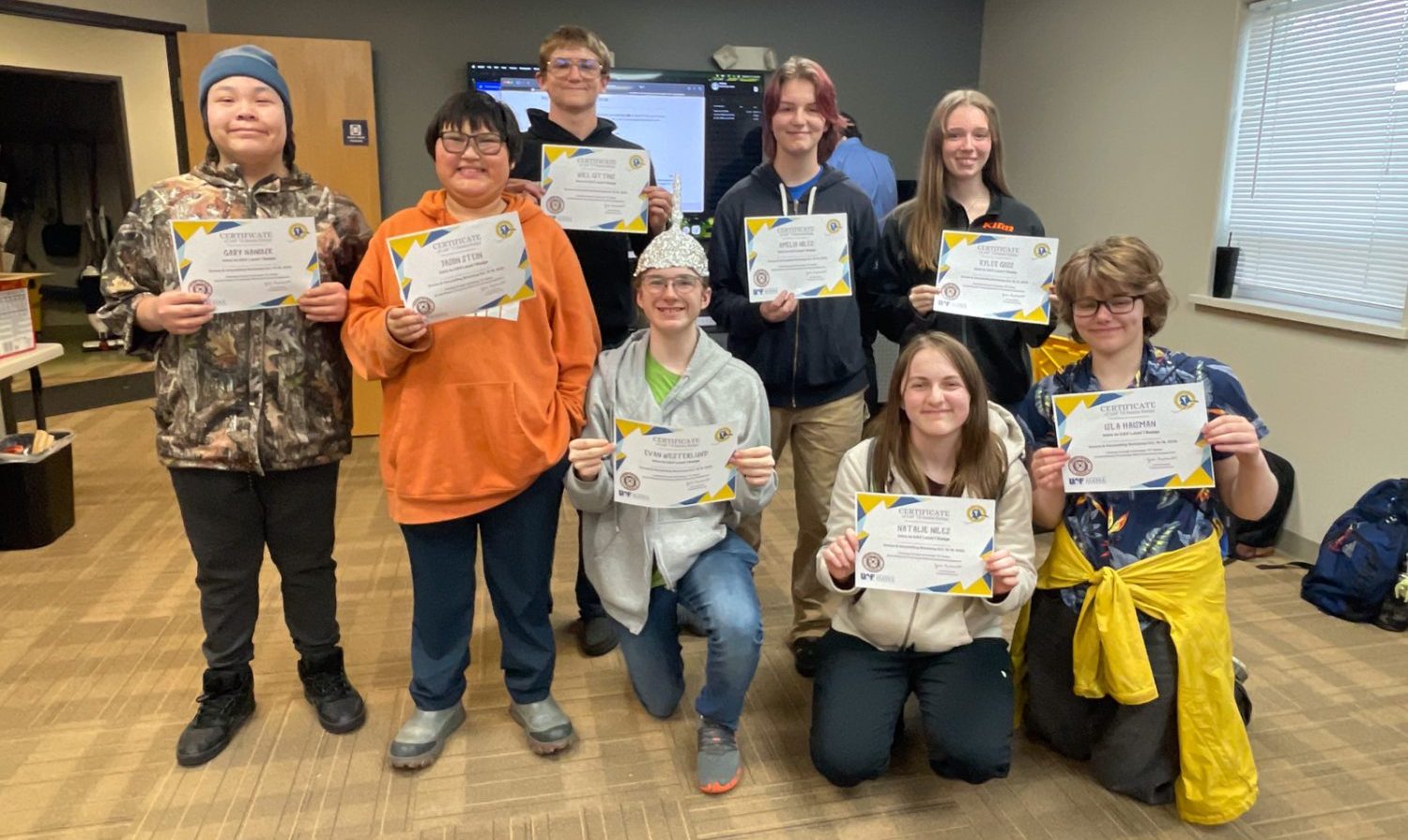
At T3 Alaska’s Drone and Storytelling Workshop, students explored the many pieces of digital storytelling, from understanding copyright and intellectual property to conducting interviews, capturing footage, and bringing it all together through video editing.
The workshop kicked off with a little teamwork and a growth mindset challenge. During the Magic Handcuffs activity, students partnered with someone from another village to escape what appeared to be an impossible tangle of interlocked ropes. It didn’t take long for the first teams to figure it out, setting the tone for a few days of collaboration and creative problem-solving.
Before picking up a camera, students explored the responsibilities that come with creating and sharing digital content. Discussions covered copyright, permissions, waivers, filming in public spaces, and creating derivative works. The conversation quickly expanded to artificial intelligence and its growing role in image creation and digital production.
Then it was time to tell a story. Students learned the basics of capturing compelling images, developing a narrative, and conducting interviews. Everyone had the opportunity to step in front of and behind the camera, taking turns as interviewer and interviewee. Working in teams, they mapped out video concepts and began collecting the footage needed to bring their ideas to life.
The two groups took very different creative approaches and found their own way to communicate a message, combining interviews, supporting footage, and creative storytelling. Drone footage added another dimension to the projects. Students planned their shots, coordinated flight operations, and captured aerial video to support their narratives. With only a few hours remaining, the teams divided up editing responsibilities, worked through the challenges of assembling scenes, and brought their individual contributions together into finished projects.
For students, the workshop was about more than making a video. It was an opportunity to experiment with technology, work across communities, and hone new skills to share ideas.