Student Project Spotlight: Snow Drift Detector
Getting to Fairbanks for the T3 Alaska Engineering a Community Project event was not easy for Minto students last month. A powerful winter storm swept through the region, bringing heavy drifting snow and subzero temperatures. Flights were canceled, and determined community members attempted to drive out early Thursday morning. But deep snow drifts made the roads impassable, forcing them to turn back and return home.
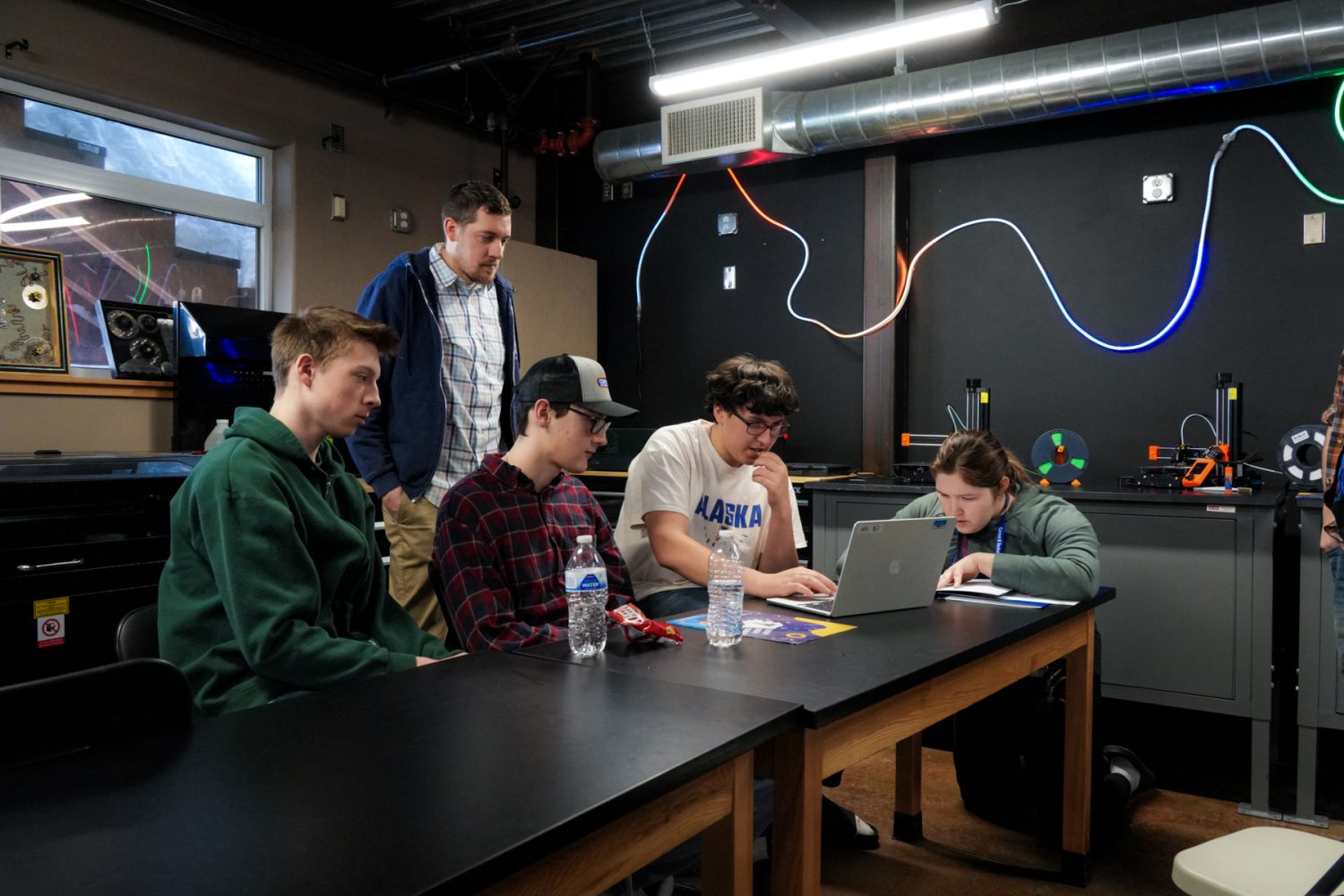
That experience became the inspiration behind the student project Snow Drift Detector, developed by Easton Wolfe (Minto), Savannah Overbay (Minto), Ethan Bellamy (Fairbanks), and Owen Bellamy (Fairbanks).
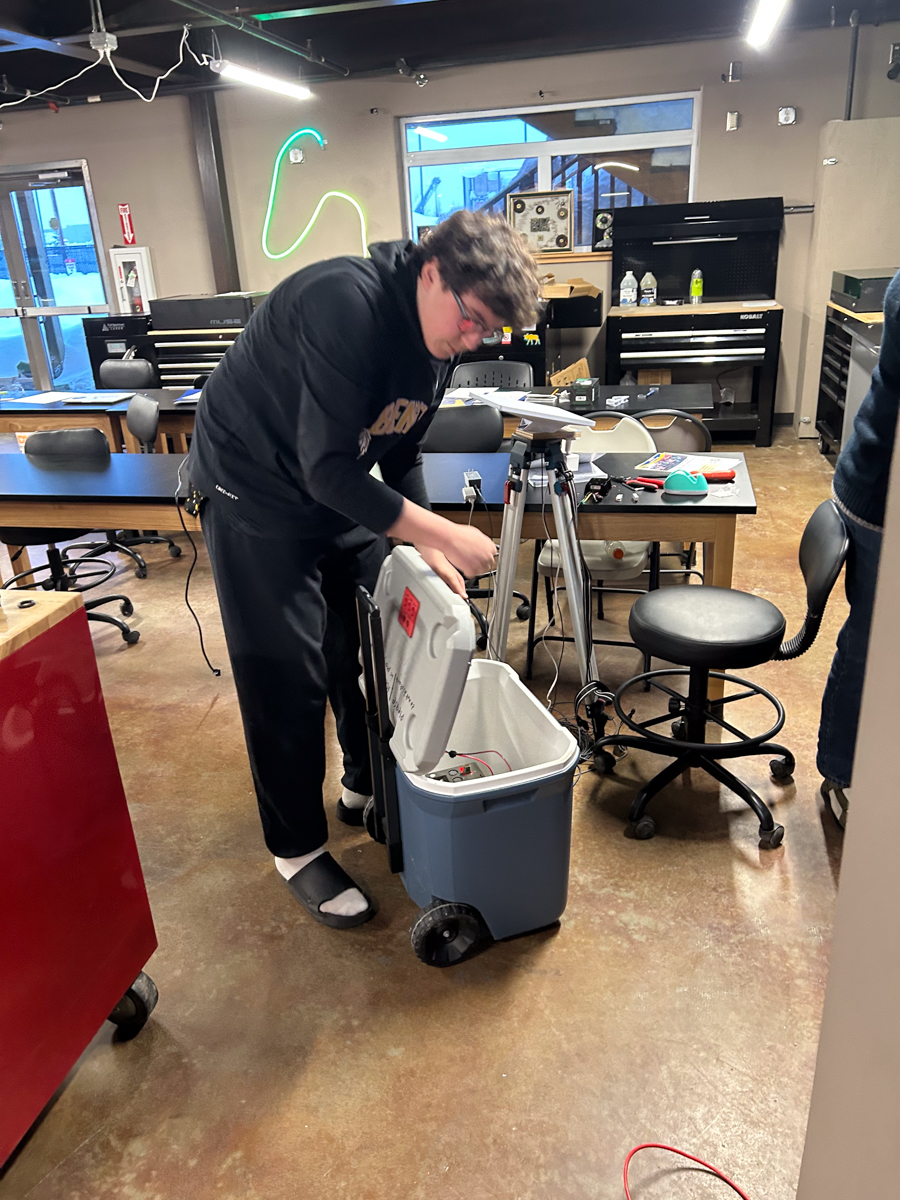
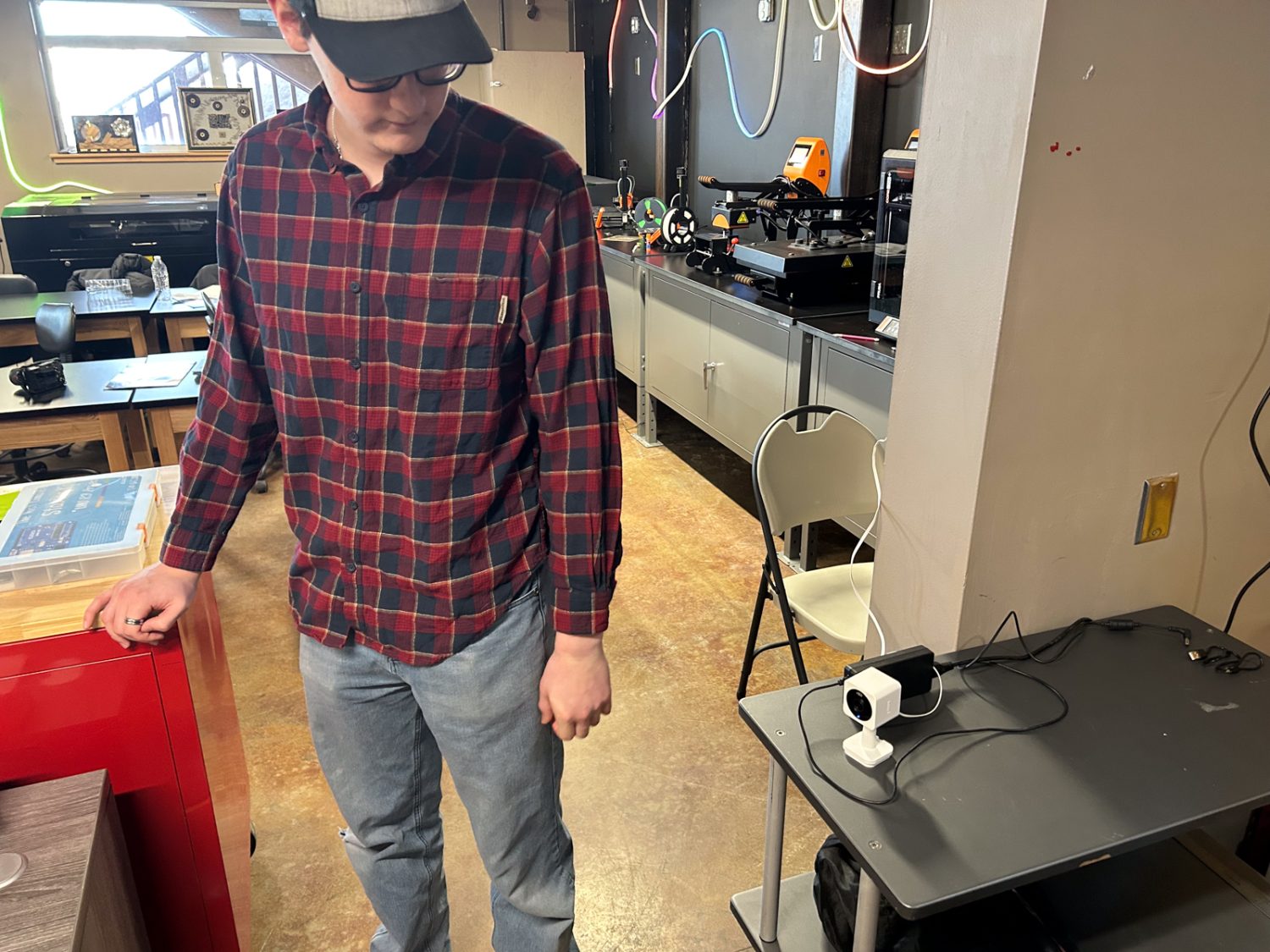
The team designed a system to help travelers understand road conditions before they leave home. Their prototype uses a camera connected to the internet through Starlink and powered by a battery to monitor the road and visually measure how high snow drifts have become. By providing real-time information, the system could help people decide whether it is safe to travel.
In communities like Minto, winter road conditions can change quickly. Many people end up stuck in dangerous conditions simply because they don’t know how bad the drifts are ahead. At the time of the project, the road to Minto had been shut down due to severe drifting, and several travelers had to be rescued after getting stuck.
“This is something we’ve experienced ourselves,” the team shared. “We almost couldn’t make it to the village because of snow drifts.”
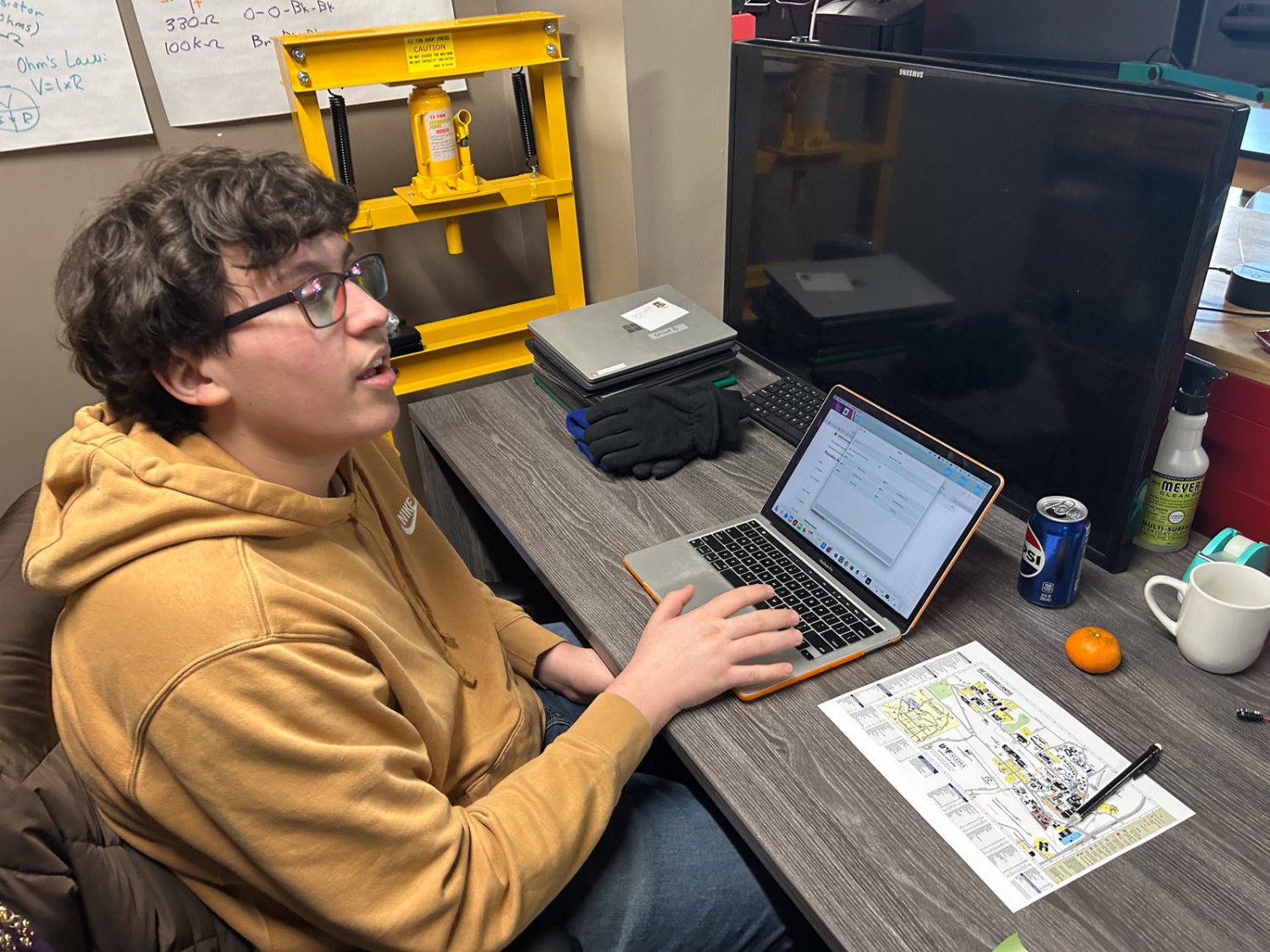
Building the prototype came with challenges. The team faced several technical issues related to wiring and the power system, but with help from mentors they worked through the problems and successfully developed a functioning model.
The students hope their project can eventually help reduce risky travel and prevent people from getting stranded on highways such as the Elliott Highway. Their next step is to place a weather monitoring system in a location known for heavy drifting so community members can check road conditions before traveling.
Beyond the technical skills they developed, the students say the most rewarding part of the experience was working on a real problem that affects their community.
“We really enjoyed being able to find a real issue that many people deal with on the highway and create a solution to help.”